Sunday, December 25, 2022

IS SHUNGITE A SCAM

 Shungite is a type of rock that is found in Russia, specifically in the Karelia region of the country. It has been used for centuries as a natural healing and purification stone, and is believed to have a variety of health benefits. However, there have been some claims made about the properties of shungite that are not supported by scientific evidence, leading some people to question whether shungite is a scam.

IS SHUNGITE A SCAM
IS SHUNGITE A SCAM

One of the most common claims made about shungite is that it has the ability to purify water. Some people believe that shungite can remove contaminants and impurities from water, making it safe to drink. However, there is no scientific evidence to support this claim. While shungite may have some limited ability to remove certain contaminants from water, it is not effective at removing all types of contaminants and impurities. As a result, relying on shungite as a means of purifying drinking water is not recommended.


Another claim made about shungite is that it can help to protect against electromagnetic radiation. Some people believe that shungite can block or absorb harmful electromagnetic radiation emitted by devices such as cell phones and computers. However, there is no scientific evidence to support this claim. While it is true that shungite does contain certain minerals that may be able to absorb electromagnetic radiation to some extent, the effectiveness of shungite in this regard is highly questionable.

In addition to these claims, there are also some concerns about the authenticity of shungite products on the market. Some shungite products may not be made from genuine shungite, or may contain a mixture of shungite and other materials. This can make it difficult for consumers to know whether they are getting a genuine, high-quality product or not.


Overall, while shungite may have some limited potential as a natural healing and purification stone, many of the claims made about its properties are not supported by scientific evidence. It is important to be cautious when considering the use of shungite and to carefully evaluate the claims made about its benefits. As with any natural product, it is always a good idea to consult with a healthcare professional before using shungite or any other natural remedy.

IS SHUNGITE COAL

 Shungite is a unique and ancient rock that is found almost exclusively in the Republic of Karelia, located in the northwest region of Russia. It has a distinct black or dark gray appearance and is composed of a variety of minerals, including carbon, silicon, and oxygen. While it is often referred to as "shungite coal," it is not technically a type of coal and does not form in the same way as coal does.

IS SHUNGITE COAL
IS SHUNGITE COAL

The history of shungite dates back to the Precambrian period, which is estimated to have occurred between 2.5 billion and 4.6 billion years ago. It is believed to have formed from sedimentary rock that was subjected to extreme heat and pressure, which caused it to transform into its unique mineral composition.


Shungite has a number of unique properties that have made it the subject of scientific study and fascination for centuries. It is a non-crystalline form of carbon and is one of the few natural materials that contains fullerenes, which are structures made up of carbon atoms that form hollow, spherical molecules. Fullerenes are known for their unique properties, including their high resistance to heat and their ability to conduct electricity.


In addition to fullerenes, shungite also contains a number of other minerals that contribute to its unique properties. These include silicate minerals, such as quartz and feldspar, as well as a variety of metallic minerals, including iron, nickel, and copper.


One of the most well-known properties of shungite is its ability to purify water. It has been used for centuries in Russia to filter impurities from drinking water and to remove harmful substances such as chlorine, pesticides, and heavy metals. Shungite has a high affinity for water and is able to attract and absorb impurities from it, making it an effective natural water filter.

Shungite has also been used for a variety of other purposes, including as a natural remedy for a number of health conditions. It is believed to have antioxidant and anti-inflammatory properties, and some people use it to treat a variety of ailments, including skin conditions, digestive issues, and immune system disorders.


In recent years, shungite has gained popularity as a natural alternative to traditional forms of water filtration and as a health and wellness product. It is available in a variety of forms, including as a raw rock, a powder, and as beads or other decorative items.


While shungite has a number of unique properties and potential uses, it is important to note that there is limited scientific evidence to support many of the claims made about its benefits. As with any natural product, it is always important to consult with a healthcare provider before using it for medicinal purposes.

NATURAL SHUNGITE

 Shungite is a type of black, carbon-based mineral that is found in the Karelia region of Russia. It has been used for centuries for its unique healing properties and has recently gained popularity as a natural health and wellness product.

NATURAL SHUNGITE
NATURAL SHUNGITE

Shungite is formed from sedimentary rock and contains a high amount of fullerenes, which are a type of molecule made up of carbon atoms. Fullerenes are known for their unique chemical and physical properties, including their ability to absorb and neutralize harmful substances. This is one of the reasons why shungite is believed to have such powerful healing properties.


One of the main benefits of shungite is its ability to purify water. It is believed that shungite can remove impurities, chemicals, and toxins from water, making it safer to drink. This is because shungite has a natural ability to absorb and neutralize harmful substances, including heavy metals and other contaminants.


In addition to its ability to purify water, shungite is also believed to have anti-inflammatory, antioxidant, and immune-boosting properties. Some people use shungite to help with a variety of health issues, including allergies, asthma, arthritis, and even cancer. It is also thought to help reduce stress and improve sleep quality.

There are many different ways to use shungite for health and wellness. It is available in a variety of forms, including tumbled stones, powders, and elixirs. Some people place shungite stones in their drinking water to purify it, while others use it as a natural remedy for various health conditions.


It is important to note that the effectiveness of shungite for various health issues is not yet fully understood and more research is needed to fully understand its potential benefits. As with any natural remedy, it is always best to consult with a healthcare professional before using shungite for health purposes.


Overall, shungite is a unique and interesting natural mineral that has a long history of use for its healing properties. While more research is needed to fully understand its potential benefits, many people find it to be a useful natural product for improving overall health and wellness.

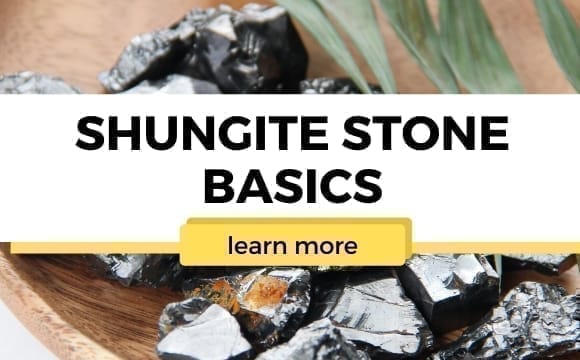
SHUNGITE STONE BASICS

 Shungite is a type of carbon-based rock that is found almost exclusively in the Republic of Karelia, Russia. It is believed to have formed around two billion years ago, making it one of the oldest known minerals on Earth. Shungite has a unique chemical composition, as it contains a high percentage of fullerenes, which are hollow molecules made up of carbon atoms arranged in a spherical shape. Fullerenes are known for their unique properties, including their ability to act as antioxidants and to absorb and neutralize harmful electromagnetic radiation.

SHUNGITE STONE BASICS

Shungite has been used for centuries in Russia as a natural healing stone. It is believed to have a number of therapeutic properties, including the ability to boost the immune system, improve sleep, reduce inflammation, and protect against harmful electromagnetic radiation. Shungite is also said to have purifying and detoxifying properties, and it is often used to purify water, air, and other substances.


There are several different types of shungite, including black shungite, which is the most common and is typically used for healing and purification purposes, and noble shungite, which is a rarer form of shungite that is often used for decorative purposes.


Shungite can be found in a variety of forms, including tumbled stones, pendants, pyramids, and spheres. It can also be found in powdered form, which is often used in cosmetics and other personal care products.

Many people use shungite to create a sense of balance and harmony in their lives, as it is believed to have grounding and centering properties. Some people also use shungite to enhance their spiritual practices, as it is thought to have a high vibrational energy and to facilitate communication with higher realms.


Shungite is relatively easy to care for, and it can be cleansed and recharged by placing it in sunlight or burying it in the earth. It is also important to protect shungite from extreme temperatures and harsh chemicals, as these can damage the stone.


Overall, shungite is a fascinating and unique mineral with a rich history and a wide range of therapeutic properties. Whether you are interested in using shungite for its healing properties or simply appreciate its beauty and energy, it is a stone that is worth exploring and incorporating into your life.

Saturday, December 24, 2022

PHYSICAL PROPERTIES OF SHUNGITE

 Shungite is a unique mineral that is found almost exclusively in the Republic of Karelia, Russia. It is an ancient rock that is believed to have formed over two billion years ago. Shungite has a number of unique physical properties that have made it the subject of much scientific study and interest.

PHYSICAL PROPERTIES OF SHUNGITE

One of the most notable physical properties of shungite is its high carbon content. In fact, shungite is almost entirely made up of carbon, with up to 98% of its composition being made up of this element. This high carbon content gives shungite a number of unique properties, including the ability to conduct electricity and to absorb and purify water.


Shungite is also known for its unusual and distinctive appearance. It is typically a dark, blackish-gray color, with a slightly metallic luster. It is also often characterized by a number of small, white inclusions, which are known as "shungite eyes." These inclusions are made up of a variety of minerals, including quartz and feldspar.

Another physical property of shungite that has attracted a great deal of attention is its ability to absorb and purify water. Shungite has been found to have a strong ability to remove impurities and contaminants from water, including heavy metals, bacteria, and other pollutants. It is believed that this ability is due to the high carbon content of shungite, which is able to attract and absorb these impurities.


Shungite is also believed to have a number of other unique physical properties, including the ability to conduct electricity, to emit a weak electromagnetic field, and to act as an antioxidant. These properties have led to a number of potential uses for shungite, including in the field of medicine, as a water purification agent, and in the production of electronic devices.


Despite the many unique physical properties of shungite, it is still a relatively unknown mineral, and much more research is needed to fully understand its potential uses and benefits. However, it is clear that shungite is a fascinating and potentially valuable resource, and one that is worthy of further study and exploration.

SHUNGITE HYPERTENSION

 Shungite is a type of black, carbon-based mineral that is found in Russia and has been used for centuries in folk medicine for a variety of health conditions. Some people believe that shungite has various healing properties, including the ability to lower blood pressure. However, there is limited scientific evidence to support these claims, and more research is needed to determine whether shungite can effectively treat hypertension.

SHUNGITE HYPERTENSION

Hypertension, or high blood pressure, is a common condition in which the force of blood against the arterial walls is consistently too high. This can lead to a range of serious health problems, including heart attack, stroke, kidney failure, and vision loss. It is important to properly manage hypertension through lifestyle changes and medication as prescribed by a healthcare provider.


There is some anecdotal evidence that shungite may help to lower blood pressure, but there have been no clinical studies to confirm these claims. Some people believe that shungite has antioxidant properties that can help to reduce inflammation and improve overall cardiovascular health, which may in turn help to lower blood pressure. However, there is no scientific evidence to support these claims.

In addition to its alleged blood pressure-lowering effects, shungite is also claimed to have a range of other health benefits, including the ability to improve sleep, boost the immune system, and reduce stress. However, there is limited scientific evidence to support these claims.


While shungite may have some potential health benefits, it is important to note that it is not a substitute for traditional medical treatment. If you have hypertension, it is important to work with your healthcare provider to develop a treatment plan that is right for you. This may include lifestyle changes, such as eating a healthy diet, getting regular exercise, and quitting smoking, as well as medication as needed.


In conclusion, while shungite has been claimed to have various health benefits, including the ability to lower blood pressure, there is limited scientific evidence to support these claims. If you have hypertension, it is important to work with your healthcare provider to develop a treatment plan that is right for you and to not rely on shungite or any other alternative therapy as a substitute for traditional medical treatment.

HOW TO MAKE A SHUNGITE NECKLACE?

Shungite is a unique, carbon-based mineral found in Russia that is believed to have a variety of health benefits, including purifying water and reducing electromagnetic radiation. Some people also believe that shungite has spiritual and grounding properties, making it a popular choice for use in jewelry such as necklaces. Here is a step-by-step guide on how to make a shungite necklace:

HOW TO MAKE A SHUNGITE NECKLACE?

Gather materials: To make a shungite necklace, you will need the following materials:

  • Shungite beads: These can be purchased online or at a local bead store. The size and shape of the beads will depend on your personal preference.
  • Jewelry wire: You will need a wire that is strong enough to hold the beads in place, but also flexible enough to be shaped into a necklace. Copper or gold-plated wire are popular choices for shungite jewelry.
  • Wire cutters: These will be used to cut the wire to the desired length.
  • Clasp: You will need a clasp to secure the necklace around your neck. There are many different types of clasps available, so choose one that you like and that will work with the wire you have chosen.

HOW TO MAKE A SHUNGITE NECKLACE?

  1. Measure and cut the wire: Measure the wire around your neck to determine the length you need. Add a few extra inches to allow for shaping and attaching the clasp. Cut the wire using the wire cutters.
  2. String the beads: Thread the shungite beads onto the wire, using the wire cutters to trim the wire as needed to fit the beads. You can use as many or as few beads as you like, and you can also mix in other types of beads to add color or texture to the necklace.
  3. Shape the necklace: Once all of the beads are on the wire, shape the necklace into the desired shape. This can be a simple loop, or you can create more complex shapes, such as twists or loops.
  4. Attach the clasp: Use the wire cutters to create a small loop at each end of the necklace. Attach the clasp to the loops using the wire, making sure it is secure.
  5. Finishing touches: If desired, you can add additional decorative elements to the necklace, such as charms or beads. You can also use a polishing cloth to give the shungite beads a shiny finish.

That's it! With just a few simple steps, you can create your own beautiful shungite necklace. As with any jewelry project, it's important to use caution when working with wire and beads, and to follow all safety guidelines.

SHUNGITE, BLACK TOURMALINE, BLACK OBSIDIAN, HEMATITE AND ONYX

 Shungite is a type of rock that is found in Russia, specifically in the Karelia region. It is a type of metamorphic rock that is made up of a mineral called carbon, which makes it a type of carbonaceous rock. Shungite has a unique property called fullerenes, which are a type of carbon molecule that has a structure similar to a soccer ball. These fullerenes are thought to have antioxidant properties and are believed to be able to help reduce inflammation and boost the immune system.

SHUNGITE, BLACK TOURMALINE, BLACK OBSIDIAN, HEMATITE AND ONYX

Black tourmaline is a type of semi-precious gemstone that is black in color and is found in various locations around the world, including Brazil, Africa, and the United States. It is a type of silicate mineral that is made up of elements such as aluminum, iron, magnesium, and silicon. Black tourmaline is known for its grounding and protective properties and is believed to be able to help with issues such as stress and anxiety. It is also thought to have the ability to help balance and align the chakras, which are energy centers in the body.


Black obsidian is a type of volcanic glass that is found in areas where volcanic eruptions have occurred. It is a type of amorphous glass that is made up of silicon dioxide and is typically black in color. Black obsidian is known for its grounding and protective properties and is believed to be able to help with issues such as negative thinking and negativity. It is also thought to have the ability to help with emotional healing and to bring about a sense of clarity and focus.

Hematite is a type of iron oxide mineral that is found in various locations around the world, including the United States, Brazil, and Australia. It is a lustrous, metallic-gray mineral that is known for its grounding and protective properties. Hematite is believed to be able to help with issues such as anxiety and stress, and is also thought to have the ability to improve mental clarity and focus.


Onyx is a type of gemstone that is found in various locations around the world, including the United States, Brazil, and India. It is a type of chalcedony, which is a type of quartz, and is typically black in color, although it can also be found in other colors such as white, brown, and red. Onyx is known for its grounding and protective properties and is believed to be able to help with issues such as stress and anxiety. It is also thought to have the ability to improve mental clarity and focus.


In summary, shungite, black tourmaline, black obsidian, hematite, and onyx are all types of minerals or gemstones that are known for their grounding and protective properties. They are believed to be able to help with issues such as stress and anxiety, and to improve mental clarity and focus. Each of these minerals or gemstones has its own unique properties and is found in different locations around the world.

WHERE TO FIND SHUNGITE?

 Shungite is a type of rock that is found in a small area of Russia, in the region of Karelia. It is a black, lustrous mineral that is composed of carbon and is known for its unique properties, such as the ability to purify water and neutralize electromagnetic radiation.

WHERE TO FIND SHUNGITE?

Shungite has been used for centuries in Russia for its medicinal and purification properties, and in recent years, it has gained popularity around the world for its potential health benefits. Many people use shungite to purify their drinking water, as it is believed to have the ability to remove impurities and toxins from water.


There are several ways to find shungite, depending on where you live and your budget.


  1. Online: One of the easiest ways to find shungite is by purchasing it online. There are many websites that sell shungite products, such as shungite water bottles, pyramids, and other decorative items. Just be sure to do your research and purchase from a reputable seller to ensure that you are getting genuine shungite.
  2. Local stores: Some health food stores and specialty shops may carry shungite products. You can also check with local crystal and mineral stores to see if they carry shungite.
  3. Russia: If you are able to travel to Russia, you can visit the region of Karelia and purchase shungite directly from the source. This is a great option for those who want to ensure that they are getting genuine shungite and want to support local miners.
  4. Wholesale: If you are interested in purchasing shungite in bulk, you can try contacting wholesalers or distributors. This is a good option for those who plan on using shungite for commercial purposes or want to resell shungite products.

It is important to note that not all shungite is created equal, and the quality can vary significantly. Some shungite may contain impurities or may not be genuine, so it is important to do your research and purchase from a reputable seller.

WHERE TO FIND SHUNGITE?

Overall, shungite is a unique and fascinating mineral that is gaining popularity for its potential health benefits. Whether you are interested in using shungite to purify your drinking water or just want to add it to your collection of crystals and minerals, there are many options available for finding high-quality shungite.

SHUNGITE ALLERGIES

 Shungite is a black, non-crystalline mineral that is found in Russia and has been used for centuries for its healing and protective properties. It is believed to have a range of benefits, including purifying water, reducing electromagnetic radiation, and helping with various health conditions. However, some people may experience allergic reactions to shungite.

SHUNGITE ALLERGIES
SHUNGITE ALLERGIES

It is important to note that allergies to minerals and gemstones are not uncommon, and it is possible to be allergic to shungite just as you can be allergic to other substances. Allergies occur when the body's immune system reacts to a foreign substance, such as a mineral or gemstone, as if it were harmful. This can cause a range of symptoms, including skin irritation, rash, hives, and swelling.


If you are concerned about the possibility of an allergic reaction to shungite, it is important to speak with your healthcare provider. They will be able to help you determine if you are allergic to shungite and provide you with appropriate treatment if necessary.


There are several ways to avoid an allergic reaction to shungite. One option is to use shungite products that have been treated or processed to remove impurities, as these may be less likely to cause an allergic reaction. You can also try using shungite products that have been coated with a protective layer, such as gold or silver, to help prevent skin irritation.

It is also important to use caution when handling shungite and to avoid direct contact with your skin. If you do come into contact with shungite, be sure to wash your hands thoroughly to remove any traces of the mineral.


If you experience any symptoms of an allergic reaction after using shungite products, it is important to stop using them immediately and seek medical attention if necessary. Your healthcare provider will be able to determine the cause of your symptoms and provide you with appropriate treatment.


In summary, it is possible to experience an allergic reaction to shungite, as with any substance. If you are concerned about the possibility of an allergic reaction, it is important to speak with your healthcare provider and use caution when handling shungite products. By following these steps, you can help to prevent an allergic reaction and enjoy the potential benefits of shungite.